
Polyurethane insights from our engineering team
Practical knowledge for engineers and operators dealing with wear, impact, and abrasion in industrial environments.
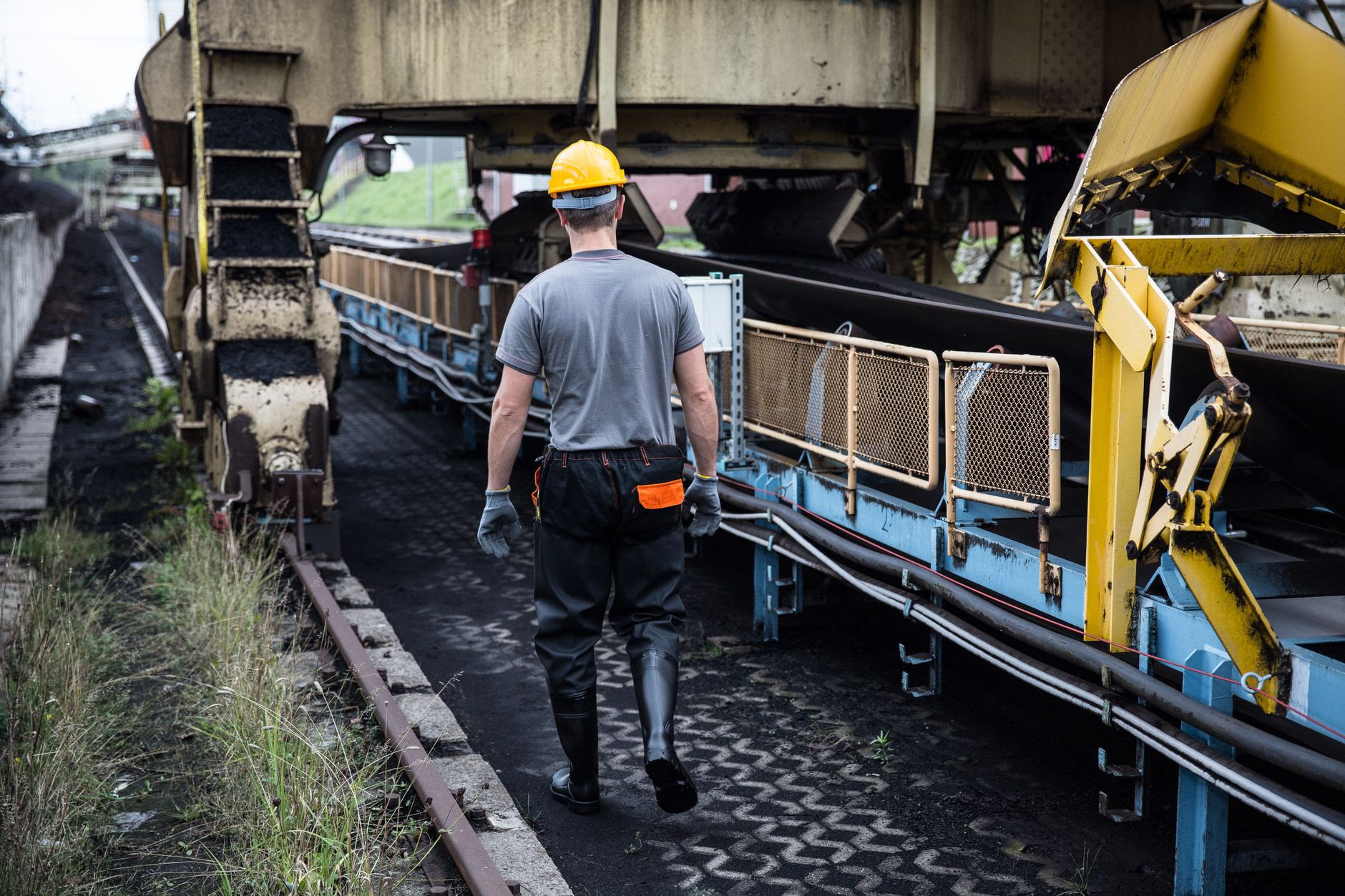
Impact-resistant polyurethane to protect your equipment
Impact-resistant polyurethane is an elastomer that absorbs energy from repeated impacts, dissipates it as heat and returns to shape without permanent deformation. This controlled elasticity protects industrial equipment, reduces vibration and extends the life of impact-exposed components.
Read article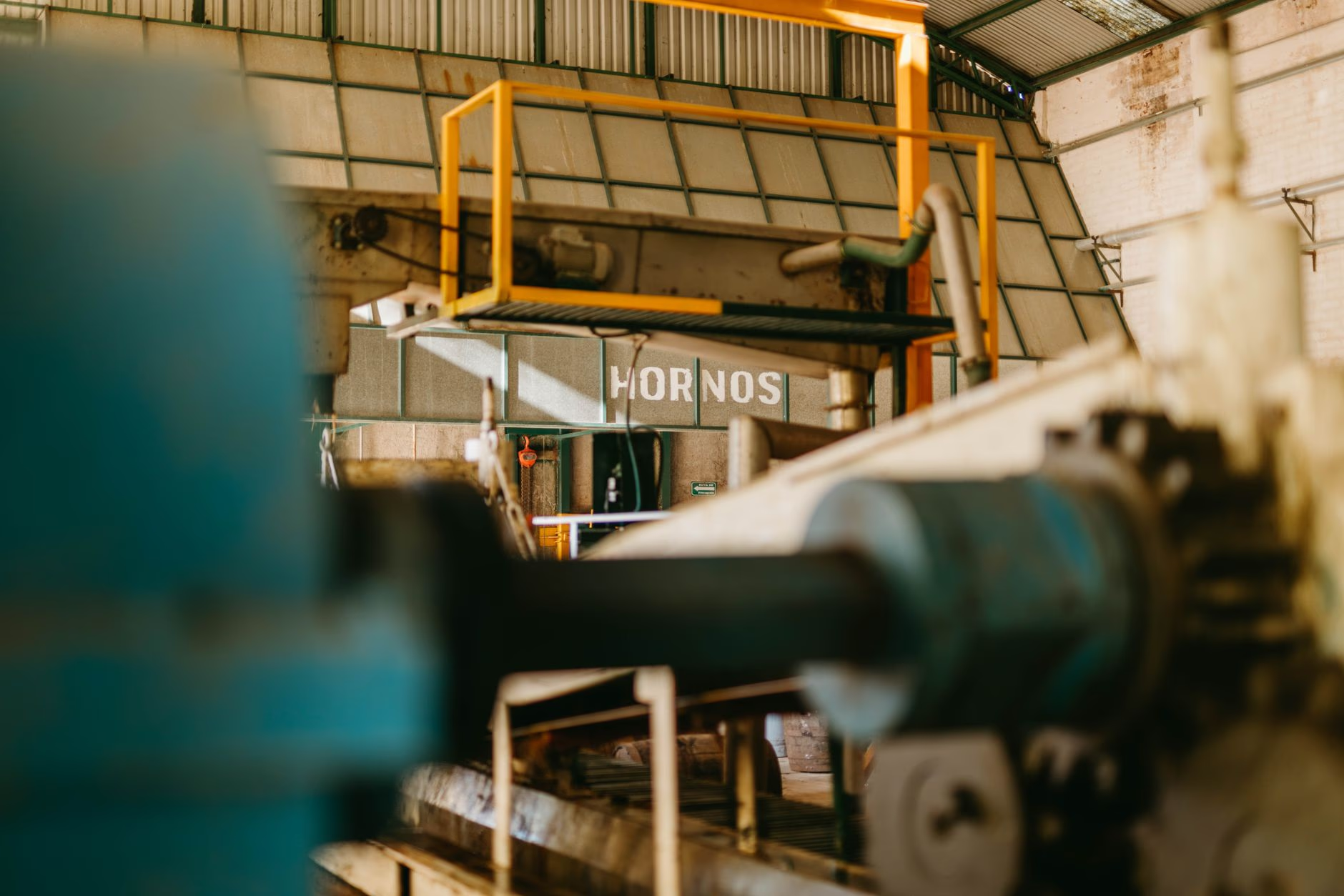
Polyurethane rollers: recondition instead of replace
Recovering a polyurethane roller means removing the worn layer, inspecting the metal core and casting a new formulation onto the same shaft. It generally costs less than a new replacement, shortens lead times and extends the working life of industrial conveyors.
Read article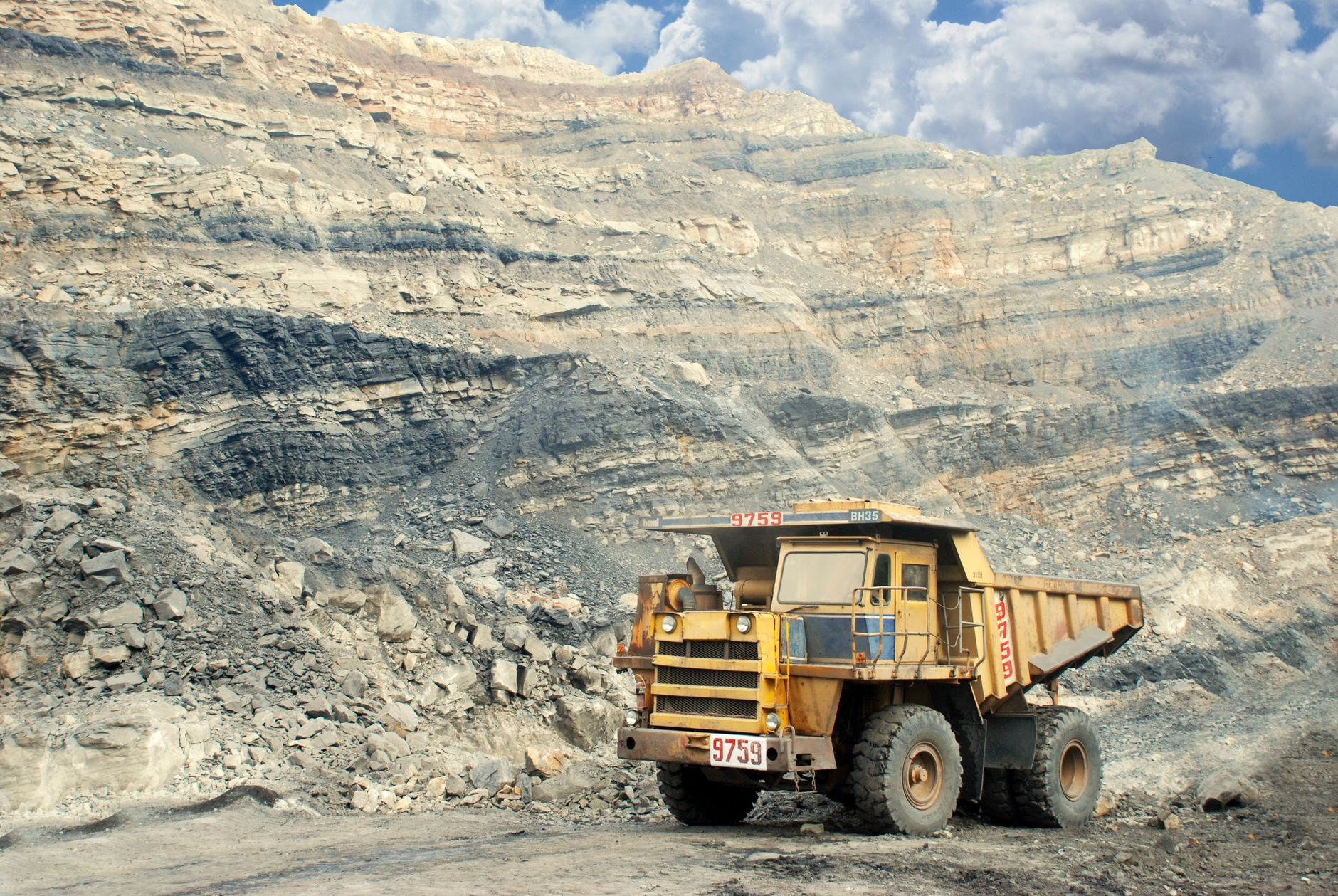
Polyurethane screens for abrasive mining applications
Polyurethane screens are cast screening components that replace steel and rubber media on vibrating mining screens. They last significantly longer in abrasive service, resist blinding, reduce noise and lower cost per tonne through their flexibility and slow wear.
Read article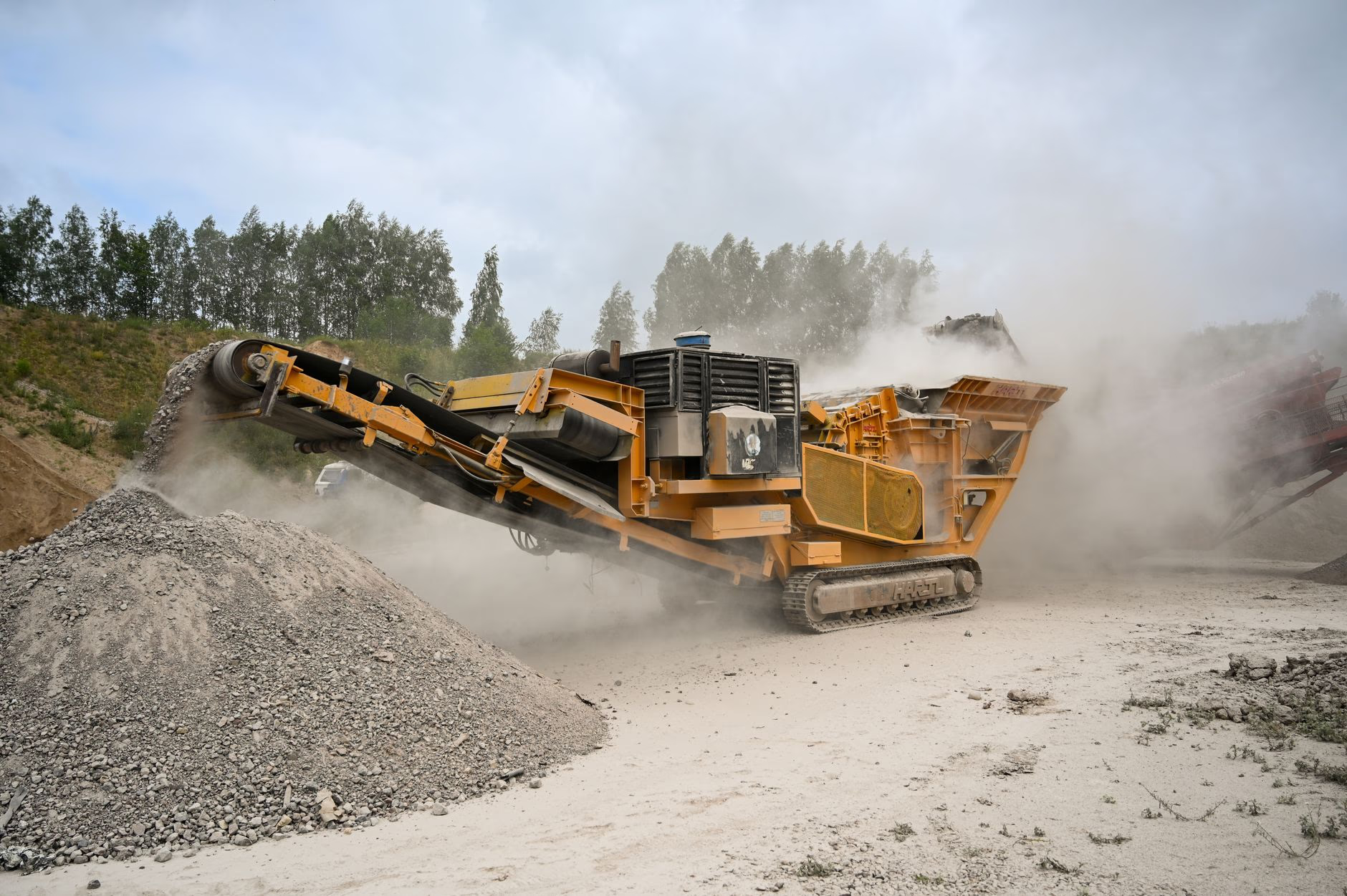
Static vs. dynamic polyurethane seals
Static polyurethane seals close the gap between stationary parts, while dynamic seals withstand movement, friction and heat. The right choice depends on pressure, travel and Shore hardness. A static seal prioritizes sealing; a dynamic seal prioritizes wear resistance.
Read article
Custom polyurethane manufacturer in Quebec, designed in-house
Looking for a custom polyurethane manufacturer in Quebec that can design, mould and machine your parts under one roof? At Willsup, we have been manufacturing polyurethane wear parts since 1971 in Pointe-Claire, and we serve companies across Quebec. Our shop brings together mould design, polyurethane casting and precision machining, without subcontracting the critical steps. The result: shorter lead times, tighter quality control and parts that last. As members of the Polyurethane Manufacturers Association, we put more than 50 years of expertise to work for your industrial applications.
Read article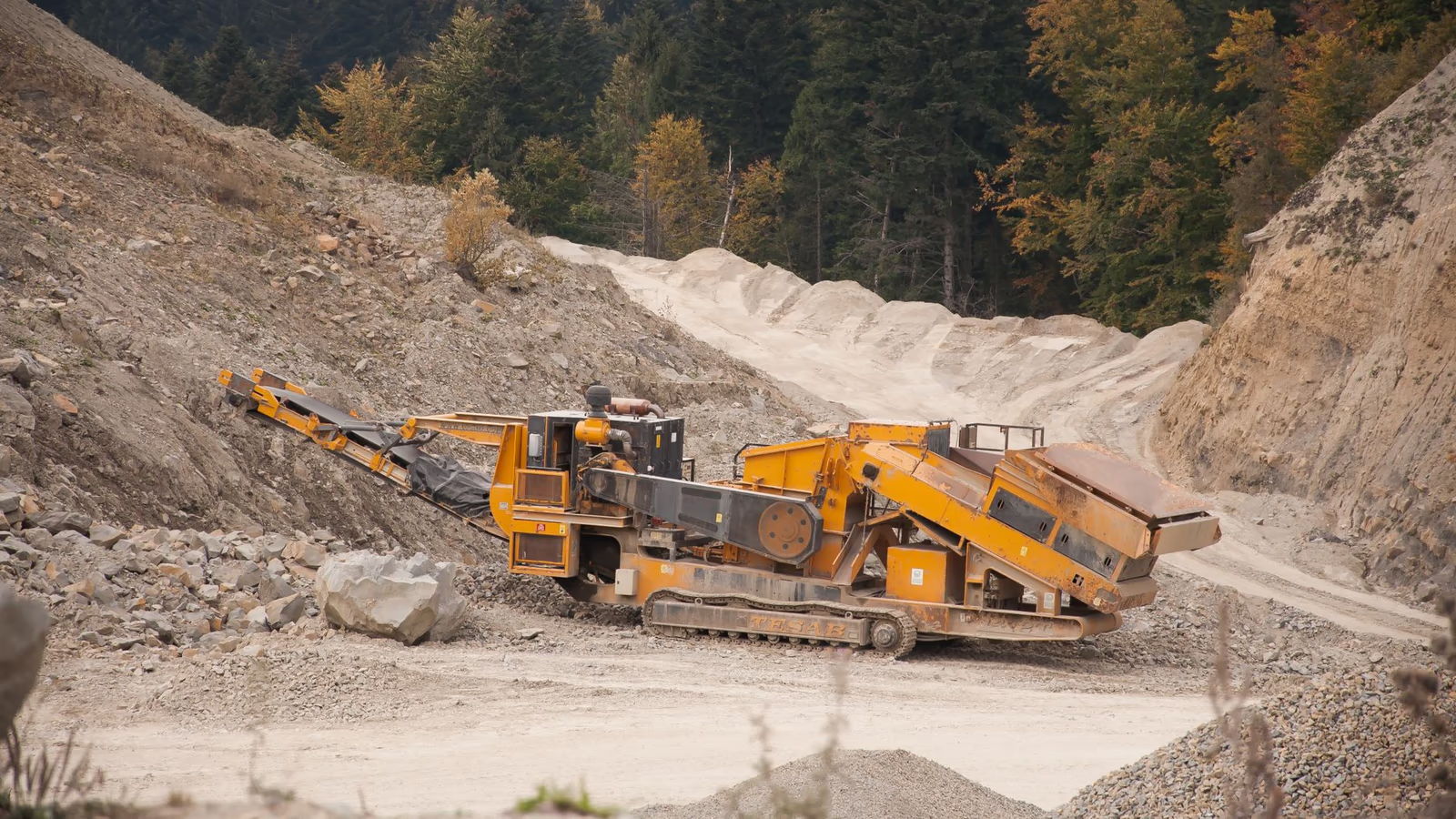
Polyurethane wear parts for the mining industry
Polyurethane wear parts are moulded components that protect mining equipment from abrasive wear. Their exceptional resistance to friction, impact and tearing helps them last several times longer than rubber or steel, reducing production shutdowns and replacement costs.
Read article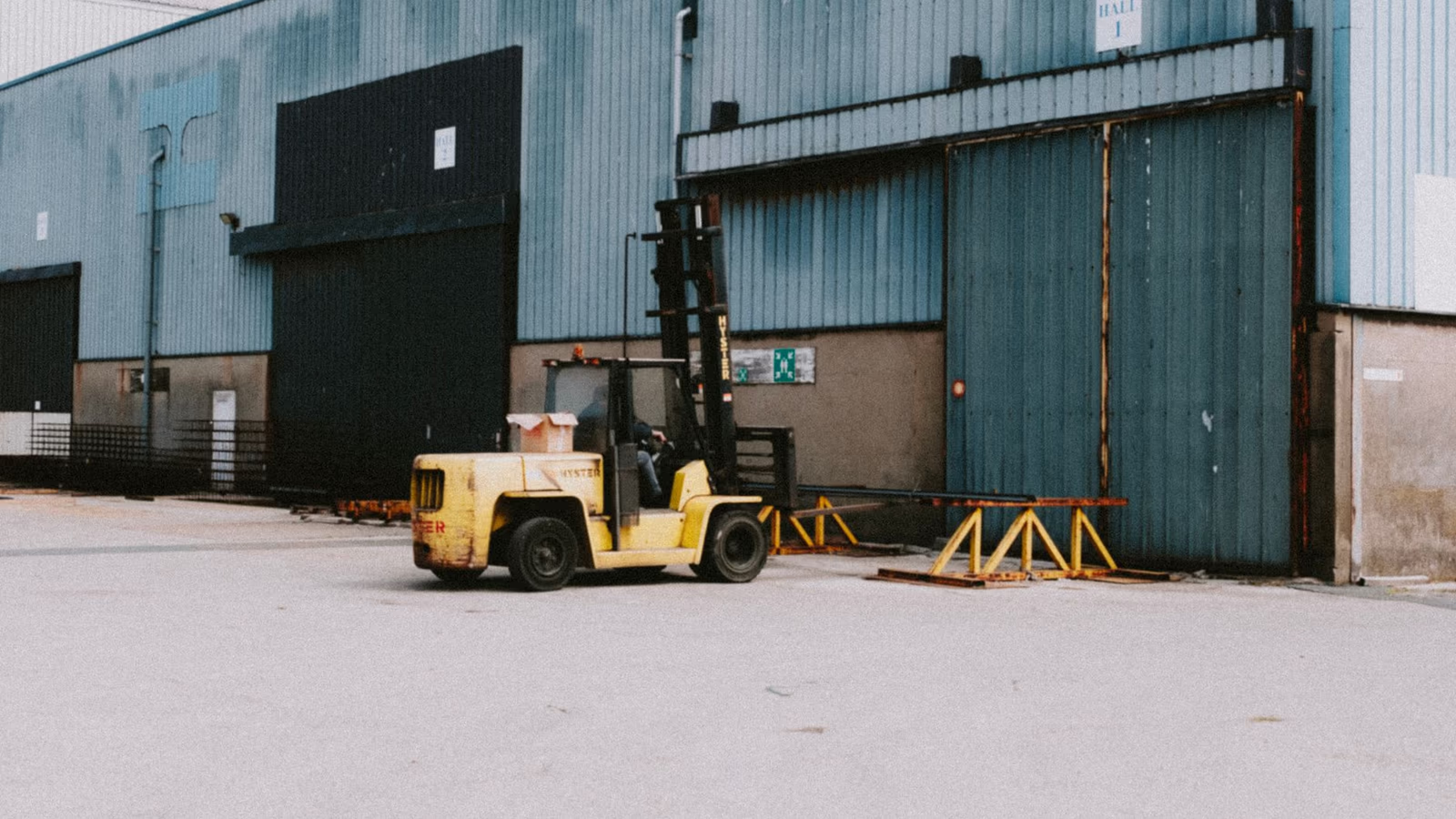
Polyurethane wheels: service life, benefits and applications
Polyurethane wheels are moulded industrial wheels that offer better abrasion resistance and load capacity than rubber. With the right Shore hardness, they often last several times longer, protect floors and suit carts, AGVs and conveyors in demanding environments.
Read article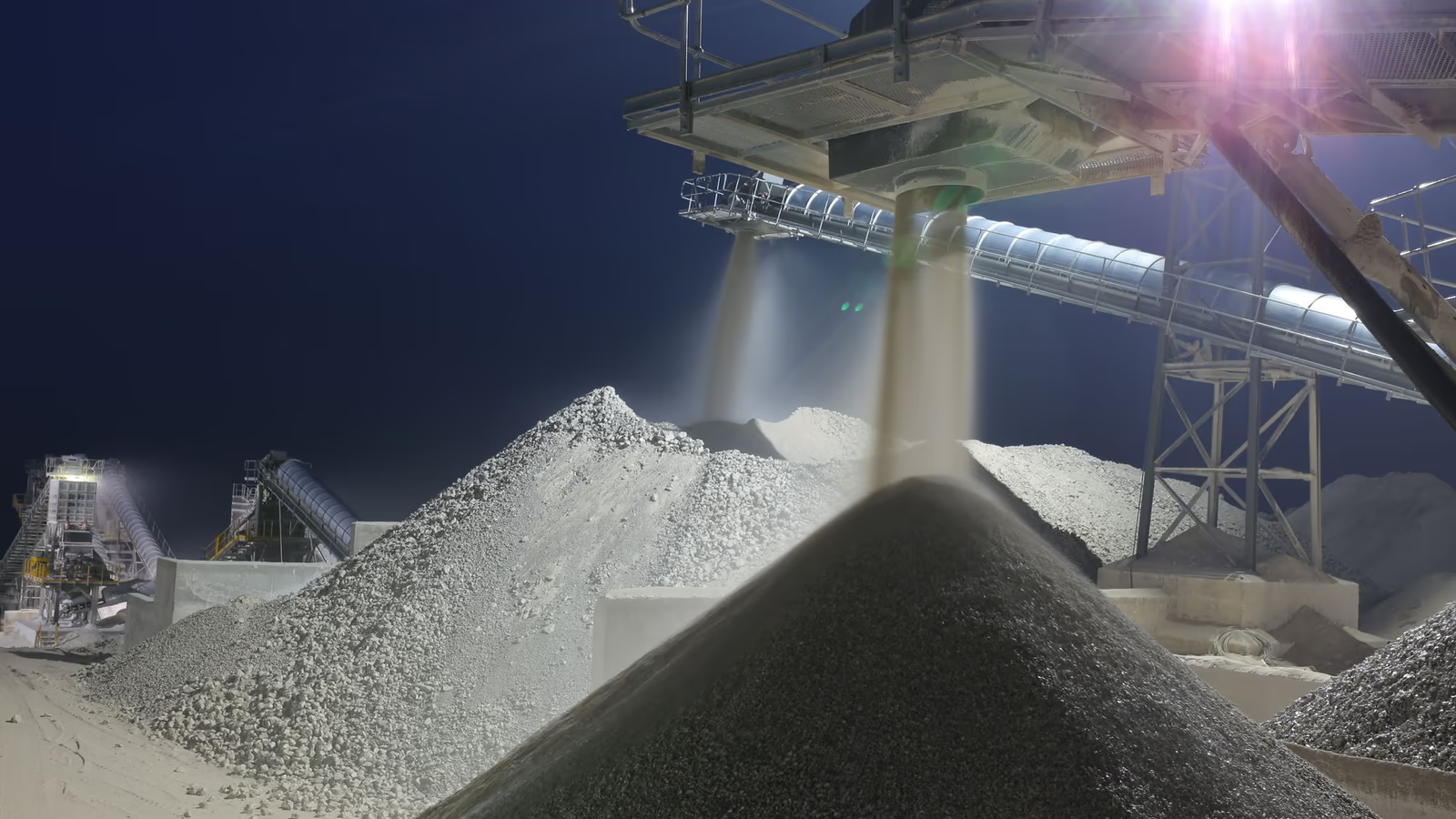
Polyurethane liners for hoppers and chutes
Polyurethane liners protect hoppers and chutes from abrasion, impact and material buildup. More durable than steel and more wear-resistant than rubber, they extend equipment life, reduce noise and simplify handling while conforming to each geometry.
Read article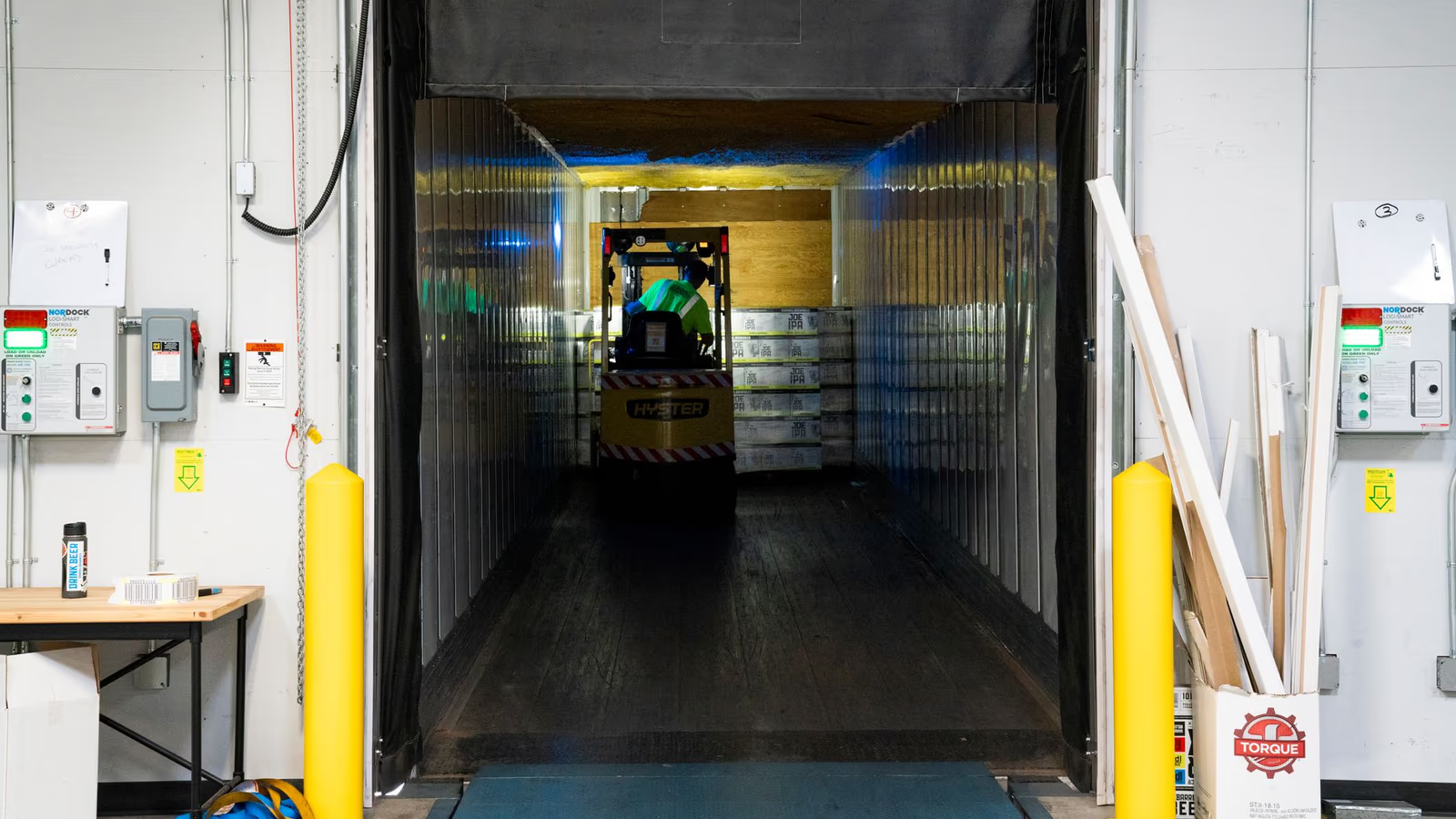
Polyurethane bumpers for absorbing industrial impact and vibration
Polyurethane bumpers are elastomer components designed to absorb impact and damp vibration on industrial equipment. Their high elasticity and abrasion resistance protect machinery and structures, return energy without permanent deformation and last longer than rubber.
Read article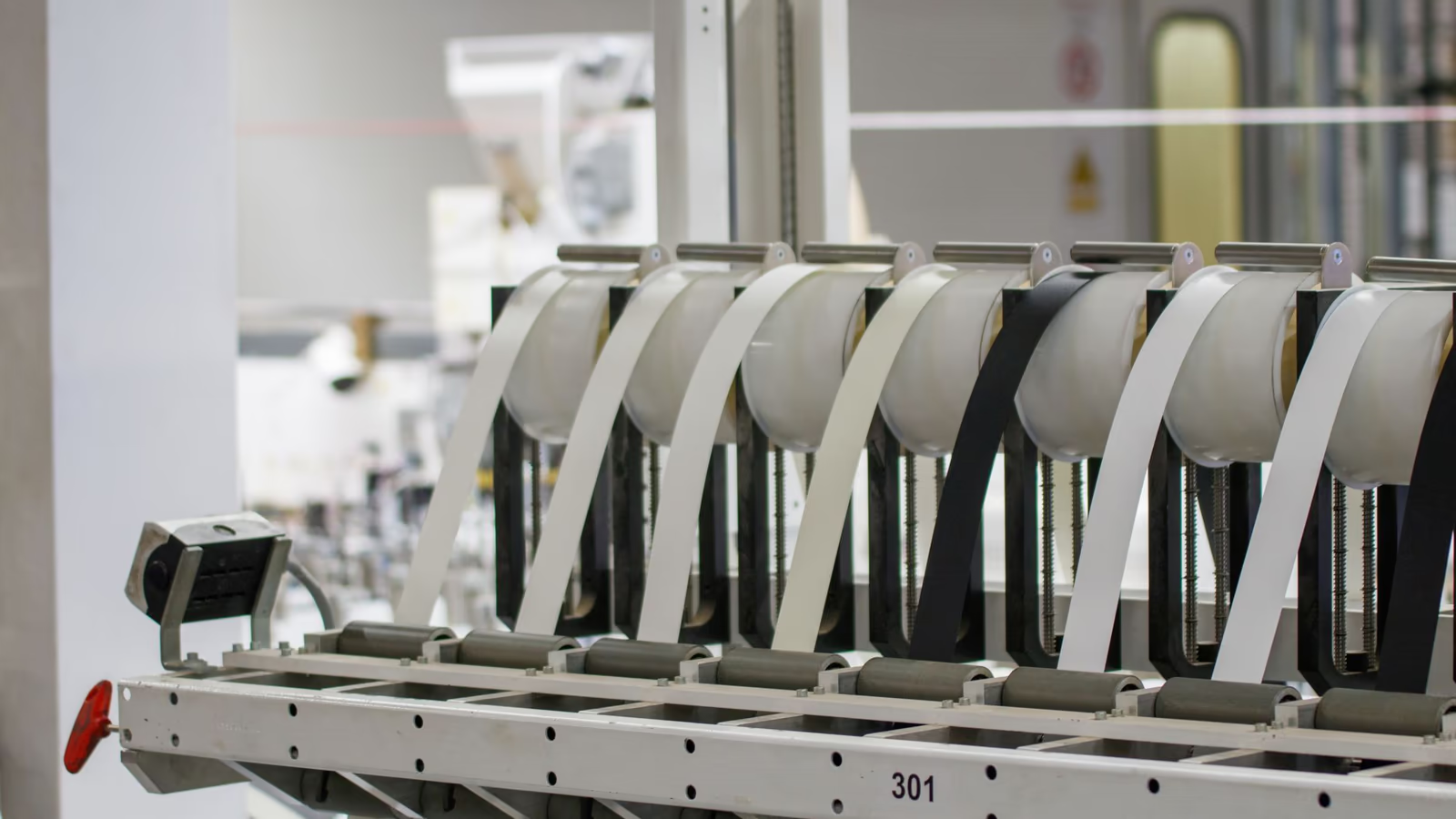
How to choose an industrial polyurethane supplier in Canada
To choose an industrial polyurethane supplier, assess seven key criteria: proven experience with comparable applications, available moulding processes, command of formulations and Shore hardness, quality control, metal bonding, local manufacturing and technical support. These factors reduce the risk of premature wear and costly failures.
Read article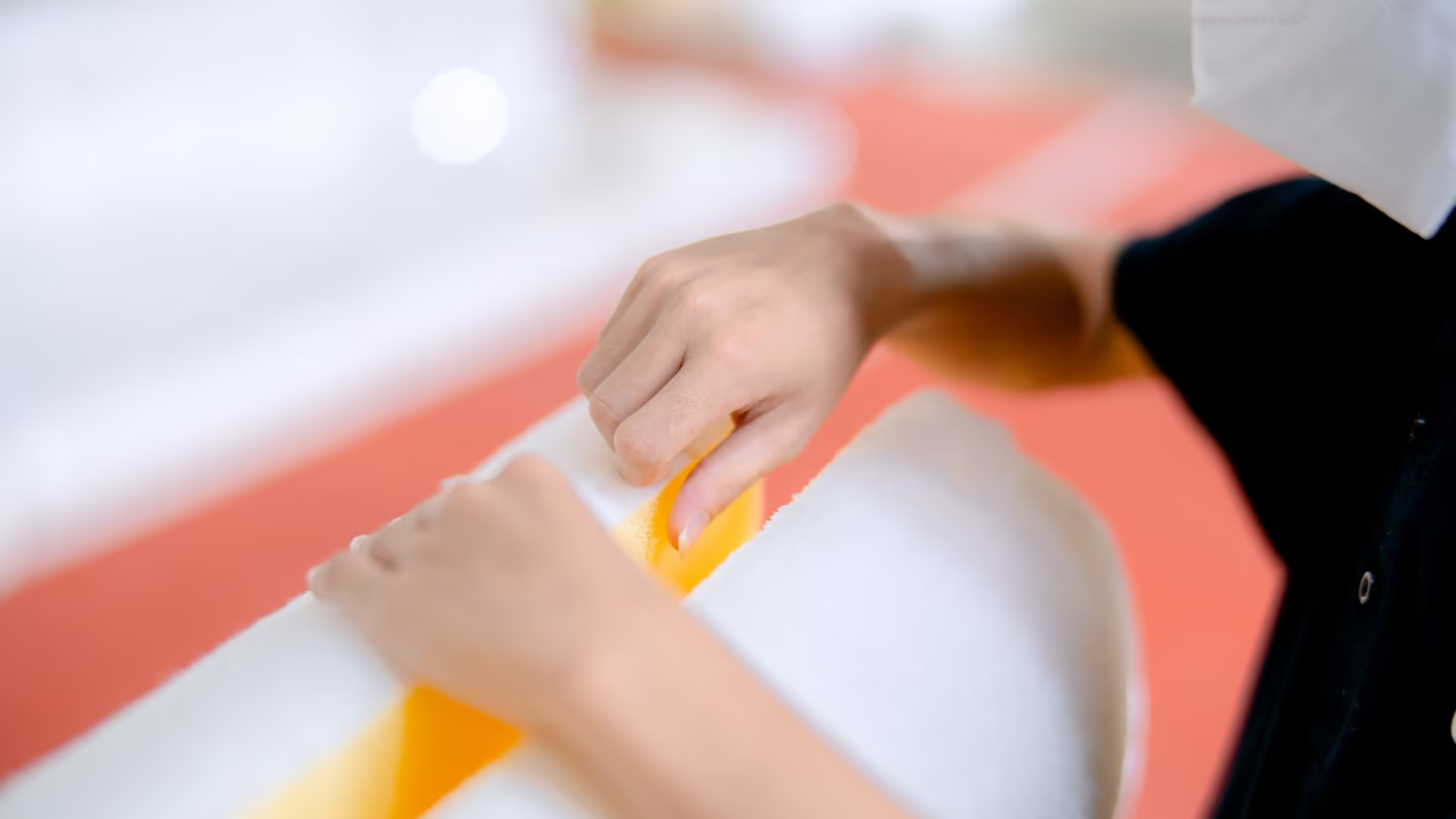
Polyurethane vs. UHMWPE: which should you choose for abrasion resistance?
When comparing polyurethane and UHMWPE for abrasion resistance, remember this: polyurethane excels under impact, load and wet shear, while UHMWPE stands out for its low friction, light weight and chemical resistance. Choose polyurethane for severe wear with impact and UHMWPE for low-friction sliding.
Read article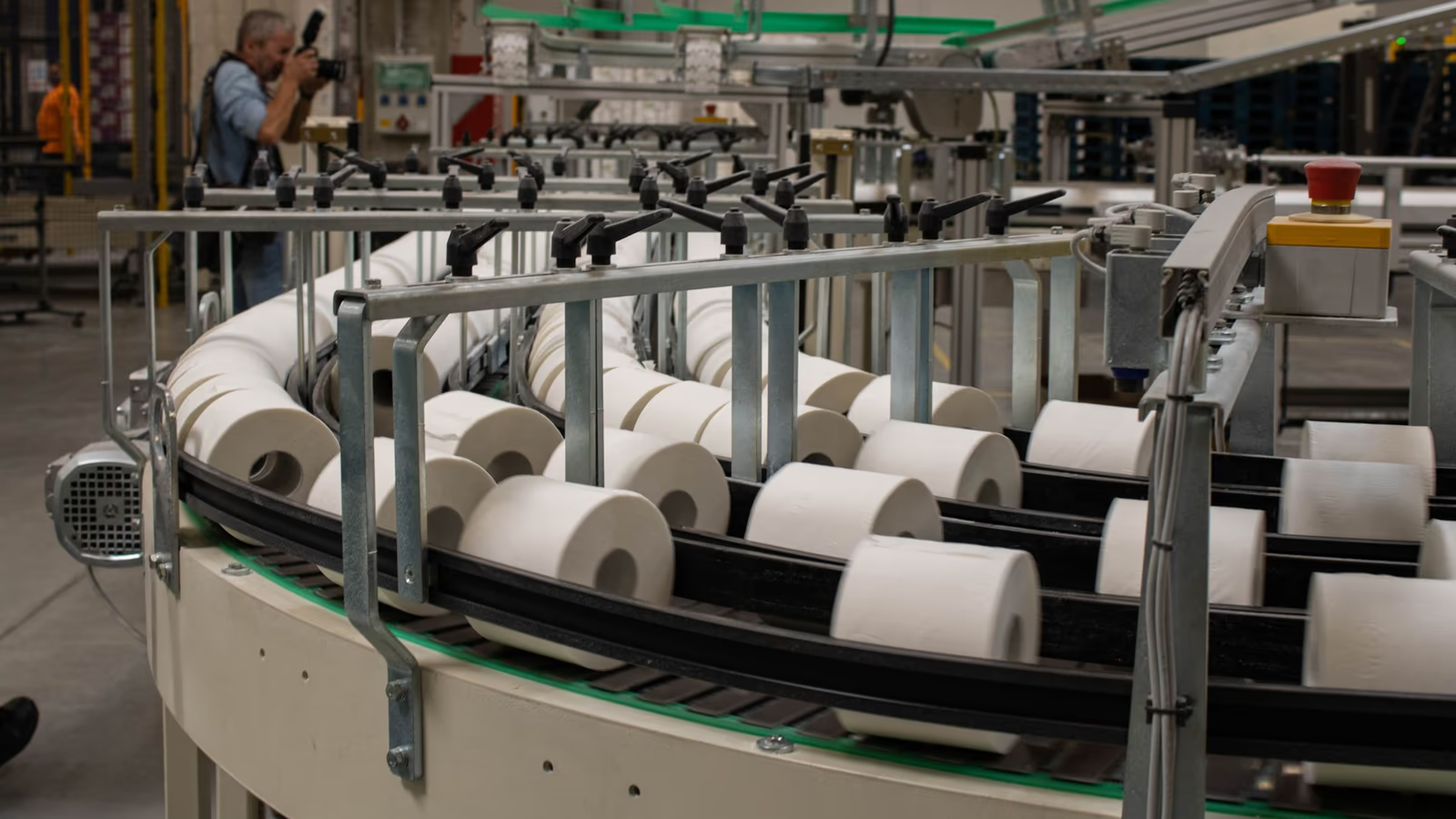
Polyurethane vs Steel: When to Replace Your Industrial Parts
Compare wear, impact, and corrosion resistance to choose the right material and replace industrial parts at the best time.
Read article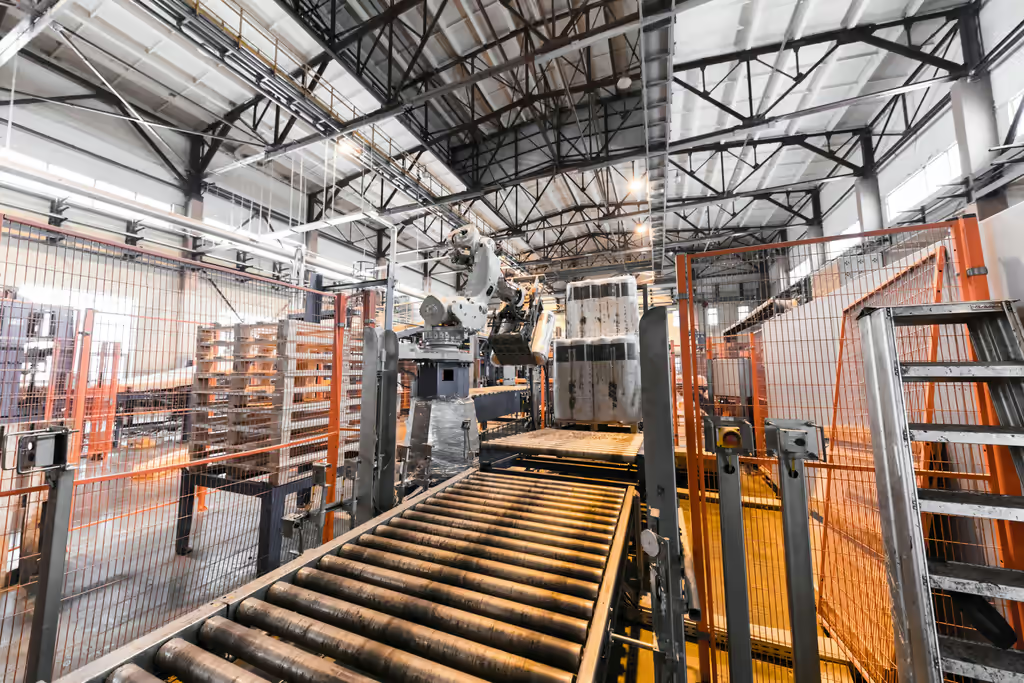
Reducing Conveyor Downtime with Polyurethane Rollers and Wheels
Where polyurethane rollers and wheels outperform conventional materials, and what to specify when ordering them to meaningfully reduce downtime.
Read article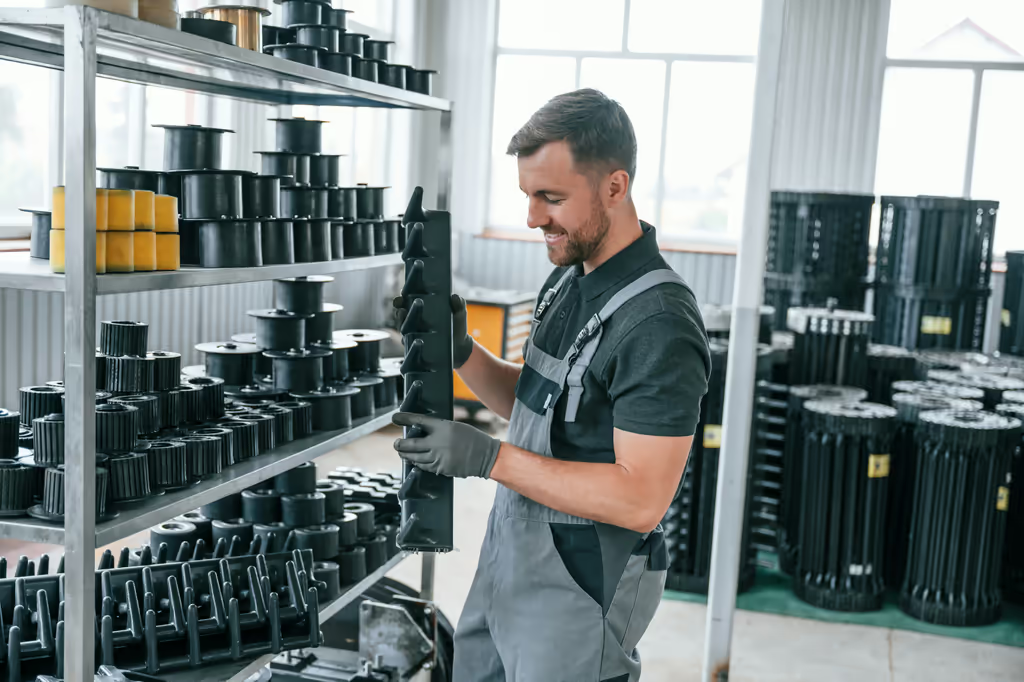
Polyurethane vs Rubber: When to Switch and Why It Matters
The key differences between polyurethane and rubber, the conditions where polyurethane clearly wins, and how to make the right call for your application.
Read article
Metal-to-Polyurethane Bonding: What Engineers Need to Know
How metal-to-polyurethane bonding combines the structural rigidity of metal with the wear resistance of polyurethane, and what determines bond quality.
Read article
How Custom Dust Seal Rings Extend Crusher Bearing Life
Why properly fitted polyurethane dust seal rings keep abrasive particles out of crusher bearing housings and extend service life.
Read article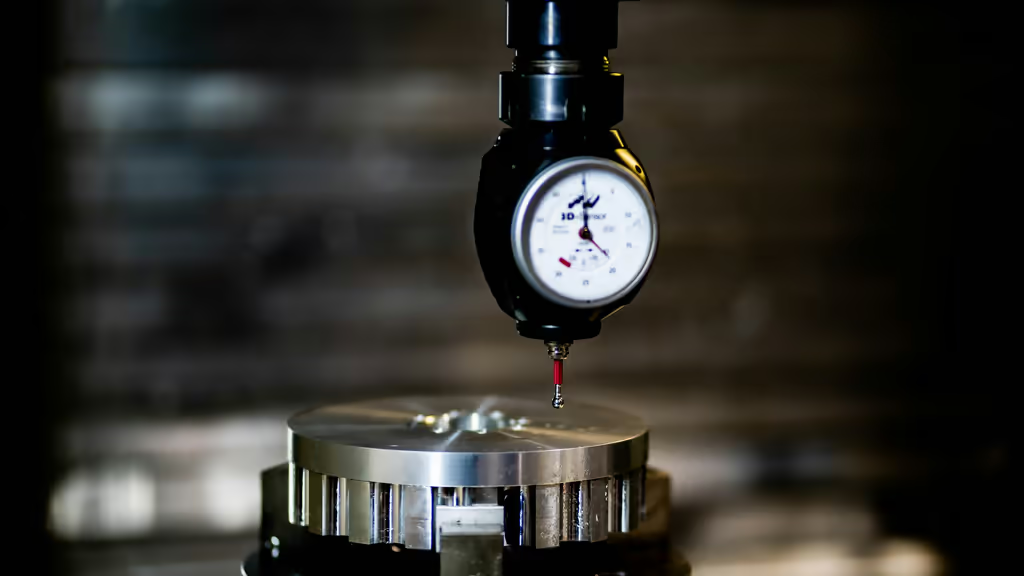
Shore Hardness Explained: How to Choose the Right Compound
What shore hardness measures, how the Shore A and Shore D scales work, and how to match hardness to your application’s load, wear, and sealing requirements.
Read article
Industrial Polyurethane: Properties, Benefits and Applications
A high-performance elastomer that combines the abrasion resistance of plastic with the elasticity of rubber, for parts exposed to wear, impact, and heavy loads.
Read article