
Polyurethane for industrial material handling and conveying
Polyurethane for material handling and conveying is a technical elastomer that replaces rubber, metal or plastic on rollers, sleeves and bumpers. It resists abrasion, absorbs impact and reduces noise, extending equipment life and limiting downtime.
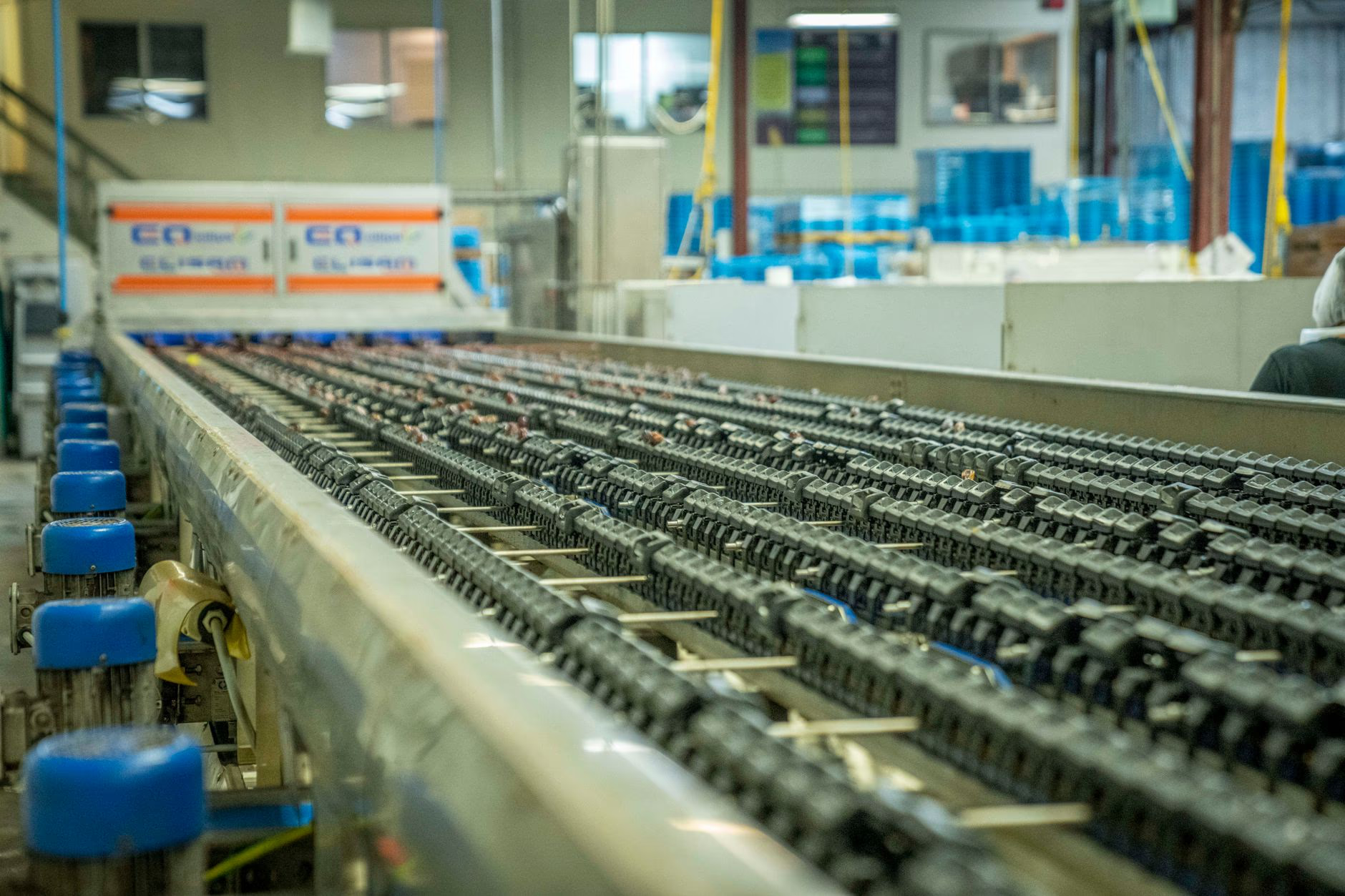
Polyurethane for material handling and conveying is a technical elastomer that replaces rubber, metal or plastic on rollers, sleeves and bumpers. It resists abrasion, absorbs impact and reduces noise, extending equipment life and limiting downtime.
In a warehouse or processing plant, every minute of conveyor downtime is costly. Rollers that deform, wheels that mark the floor and noisy metal components gradually erode productivity. This is exactly where polyurethane changes the equation. This guide explains when it makes sense for your lines, which components to prioritize and how to define the right formulation.
Why choose polyurethane for material handling and conveying
Polyurethane fills a gap left by traditional materials. Rubber wears quickly in abrasive conditions, steel is heavy and noisy, and many rigid plastics break under impact. Polyurethane elastomer combines the flexibility of rubber with much of the durability associated with metal.
This versatility explains why industrial material-handling operations increasingly use the material. Specialized manufacturers custom-mould it to withstand the wear, impact and abrasion specific to each installation.
Its benefits produce practical results on the plant floor:
- Fewer part replacements and line stoppages
- Quieter operation and a more comfortable working environment
- Better protection for conveyed products and contact surfaces
- Non-marking wheels suited to warehouses and food-processing facilities
The technical properties that make a difference
This performance is not accidental. Polyurethane's molecular structure contains both flexible and rigid segments, giving it an uncommon balance of flexibility and strength.
Abrasion and wear resistance
This is the primary advantage. In abrasive environments such as mining or aggregate processing, a polyurethane component can last several times longer than a conventional rubber part. This abrasion resistance of polyurethane elastomers is also why they are used on cart wheels, roller-skate wheels and other heavily loaded equipment.
Impact absorption and noise reduction
The material dampens impacts instead of transmitting them into the structure. At transfer and loading points, it reduces noise and vibration, protecting bearings and extending the life of downstream mechanisms.
Resistance to oils and chemicals
Unlike many standard rubbers, a properly selected polyurethane formulation tolerates oils, water and many industrial fluids. The component maintains its properties under difficult conditions, which helps stabilize production rates.
Essential polyurethane components for conveyor systems
A modern conveyor line contains several wear parts. Replacing them with polyurethane, one by one, can improve the performance of the entire system.
Polyurethane conveyor rollers and wheels are central to the system: they support the load, drive the belt and withstand repeated impacts. Polyurethane roller sleeves recover an existing drum to restore traction without replacing the complete assembly. At line ends and impact zones, polyurethane bumpers and stops protect the structure and the loads.
Other components include polyurethane tubes, bars and springs for tensioning, guiding and return mechanisms.
Not sure which material or hardness your equipment requires? Have a specialized engineering team assess the actual operating conditions before ordering your next components.
Choosing the right hardness and formulation
The same component can be cast soft or hard depending on its intended use. The technical reference is the Shore hardness scale (ASTM D2240), which rates material hardness on a scale from 0 to 100. The higher the number, the more rigid the part.
A formulation lower on the Shore A scale provides good traction and impact absorption. A harder formulation better resists deformation under heavy loads. The right balance depends on the operating conditions.
To obtain a properly matched component, tell the manufacturer:
- The outside diameter, length and core material, such as steel or aluminum
- The load, line speed and operating temperature
- The required surface finish, whether smooth, crowned or textured
- Exposure to oils, water or chemicals
This technical discussion is what separates a durable component from a generic replacement.
Polyurethane, rubber or steel for conveyors
Choosing the right material prevents many avoidable problems. The following table summarizes the key differences for material-handling and conveyor applications.
| Criterion | Polyurethane | Rubber | Steel |
|---|---|---|---|
| Abrasion resistance | Excellent | Moderate | Good, but wears through friction |
| Impact absorption and noise | High | High | Low and very noisy |
| Performance under load | Retains its shape | May deform | Rigid |
| Resistance to oils | Good | Variable | Excellent |
| Floor marking | Non-marking options available | Common | Common |
For a closer analysis of these performance differences, this detailed polyurethane versus industrial rubber comparison can help identify the right material for your application. In many cases, a metal core covered with polyurethane provides the best of both worlds: the rigidity of steel and the wear-resistant flexibility of an elastomer.
Conclusion
Polyurethane for material handling and conveying is more than a substitute for rubber or metal. It is a practical way to reduce wear, noise and unplanned downtime. Choosing the right components, hardness and formulation for the operating conditions extends equipment life and stabilizes production. To take the next step, request an application review and a quote for custom-moulded parts designed for your lines.
Frequently asked questions
Why use polyurethane rather than rubber for material handling and conveying?
Polyurethane for material handling and conveying offers significantly better abrasion resistance than conventional rubber while also absorbing impact. It retains its shape under load, resists industrial oils and lasts longer in abrasive settings such as mines and aggregate-processing plants. Rollers and sleeves therefore need replacement less often, reducing downtime and maintenance costs.
Which Shore hardness should I choose for polyurethane conveyor rollers?
Hardness depends on the application. A softer roller, lower on the Shore A scale, offers good traction and absorbs impact, while a harder formulation better resists deformation under heavy loads. The correct balance accounts for load, speed and temperature. A specialized manufacturer adjusts the formulation to the operating conditions to maximize component life.
Can polyurethane replace metal conveyor components?
Yes, in many cases. Polyurethane bonded to a steel or aluminum core can replace all-metal wheels and rollers. It reduces noise, protects contact surfaces and lowers the vibration transmitted to the structure. A properly engineered metal-to-polyurethane bond creates durable adhesion between the core and its covering. This approach combines metal rigidity with the elastomer's wear-resistant flexibility, making it well suited to heavy material handling.
Which polyurethane components are used on a conveyor line?
Conveyor lines use many polyurethane components, including rollers and wheels, sleeves that recover existing drums, bumpers and stops at impact points, guides and scrapers. Tubes, bars and springs are also used in tensioning and return mechanisms. Each component can be custom-moulded for the installation's load, production rate and environment.