
Polyurethane vs nylon for industrial rollers and wheels
The polyurethane vs nylon question comes down to the application: polyurethane excels in abrasion resistance, shock absorption and quiet running, while nylon leads in load capacity on hard surfaces and chemical resistance. The right choice depends on your floors and operating constraints.
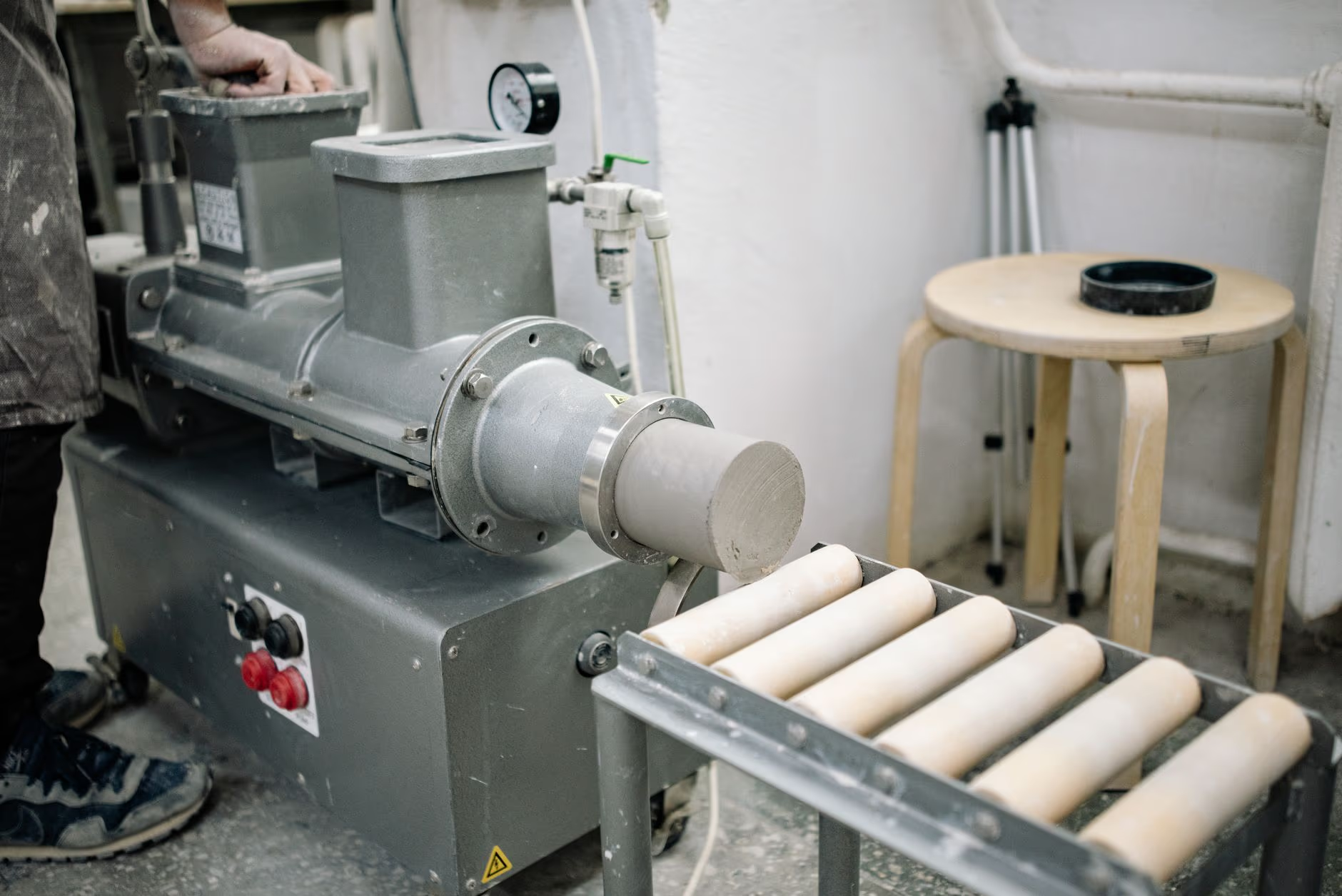
The polyurethane vs nylon question comes down to the application: polyurethane excels in abrasion resistance, shock absorption and quiet running, while nylon leads in load capacity on hard surfaces and chemical resistance. The right choice depends on your floors and operating constraints.
The material chosen for a roller or wheel directly affects equipment life, shop noise and maintenance costs. Both materials are reliable, but their strengths do not overlap. This comparison presents each option neutrally, criterion by criterion, to guide the decision according to real operating conditions.
The two materials compared
Polyurethane is a cast elastomer, often bonded to a metal hub, and available in a wide range of hardnesses. It combines elasticity and toughness, which explains its use on polyurethane conveyor rollers and on wheels exposed to abrasion. Its hardness is set on the Shore scale according to the intended application.
Nylon is a rigid thermoplastic from the polyamide family. Light, hard and resistant to deformation, it is known for its structural strength and low coefficient of friction. It is common on wheels and rollers that must carry heavy loads on smooth, clean concrete floors.
Comparison criteria and method
No ranking is imposed here. The comparison rests on six technical criteria that determine performance in industrial settings and can be verified with specialized sources: abrasion resistance, load capacity, shock and noise absorption, surface protection and traction, chemical and moisture resistance, and temperature behavior and rolling efficiency.
These criteria were chosen because they reflect common purchasing decisions in material handling, mining, forestry and manufacturing. Each one is assessed qualitatively, without invented scores, based on the recognized properties of each material.
Abrasion and wear resistance
Polyurethane generally comes out ahead on this criterion. Its elastomeric structure withstands friction from rough materials without chipping, which extends wheel service life in abrasive environments. On smooth floors too, it keeps its tread profile for a long time.
Nylon resists wear well and holds its shape around debris, but it is more prone to scratches, cuts and chunking than polyurethane, as Gallagher Corporation points out. In highly abrasive environments, polyurethane generally offers the greatest wear margin.
Load capacity and rigidity
Nylon has the edge when loads are heavy and concentrated. Its rigidity limits flattening, supports stacked equipment and keeps stable contact with hard concrete. It is the logical choice when the priority is weight carried rather than ride comfort.
Polyurethane also handles high loads, especially at higher hardnesses, but deforms more under sustained pressure. Adjusting the hardness, covered in this Shore hardness guide, optimizes the trade-off between load capacity and flexibility for each application.
Shock absorption and noise
Polyurethane is the clear winner here. It absorbs part of the impact energy, which reduces noise, vibration and fatigue transmitted to the structure. This property is valuable on uneven floors or when moving fragile equipment without jolting it.
Nylon, being more rigid, provides little cushioning. It transmits more shock and generates more noise on uneven surfaces. Humphries Casters notes that nylon loses ride comfort as soon as the floor is no longer perfectly smooth.

Surface protection and traction
Polyurethane protects floors better. Its flexibility conforms slightly to the surface, reduces marking and improves grip, an asset on delicate floor coatings or in wet conditions. This traction helps drive loads without slipping.
Nylon, being harder, rolls easily but can mark some floors and offers less grip on slippery surfaces. Its small contact patch does, however, allow smooth movement on clean concrete where floor protection is not the main concern.
Chemical resistance, moisture and temperature
Nylon stands out for its good resistance to many solvents, oils and chemicals. It also retains good properties in very cold weather. It is, however, hygroscopic: it absorbs water over time, which can change its dimensions and reduce its load capacity in wet environments or with frequent washdowns.
Polyurethane resists oils, water and many industrial fluids well, and does not absorb moisture the way nylon does. It therefore remains a good fit for lines exposed to splashing or regular cleaning cycles.
Polyurethane vs nylon comparison table
| Criterion | Polyurethane | Nylon |
|---|---|---|
| Abrasion resistance | Excellent, very good wear margin | Good, more prone to cuts |
| Load capacity | High, but may deform | Very high, minimal flattening |
| Shock absorption and noise | Excellent, quiet rolling | Limited, noisier |
| Surface protection and traction | Good, gentle on floors | Lower, may mark |
| Chemical resistance | Good | Very good |
| Moisture | Low sensitivity | Absorbs water over time |
| Extreme cold | Good, stiffer in cold | Very good |
| Rolling efficiency | Higher rolling resistance | Low resistance, more efficient |
Which one to choose for your needs
There is no universal winner. The choice depends on the floor, the load and the working environment. The recommendations below address common industrial profiles.
- Choose polyurethane if your floors are uneven, noise must stay low, you carry fragile loads or abrasion is high.
- Choose nylon if you carry very heavy loads on hard, smooth concrete, friction must stay minimal or chemical exposure is significant.
- Favor polyurethane for floor protection and traction on wet or delicate surfaces.
- Favor nylon for dry warehouses where rolling efficiency and load capacity matter more than comfort.
In mixed environments, adjusting polyurethane hardness often gets close to both performance profiles. Custom industrial rollers and custom industrial wheels are configured around these specific constraints.
Need a technical opinion before deciding between the two materials? Request a personalized assessment of your application.
Conclusion
The polyurethane vs nylon comparison shows two complementary materials rather than rivals. Polyurethane shines for abrasion resistance, cushioning and quiet running, while nylon wins on rigidity, load capacity and chemical resistance. The decision comes down to your floors, your loads and your maintenance budget. To confirm the right material and hardness for your rollers and wheels, request an analysis of your actual needs before ordering.
FAQ
What is the main difference between polyurethane and nylon wheels?
The key difference between polyurethane and nylon lies in their mechanical behavior. Polyurethane is a flexible elastomer that absorbs impact, reduces noise and resists abrasion very well. Nylon is a rigid thermoplastic that carries heavier loads on hard floors and resists chemicals better, but it provides little cushioning and can absorb moisture.
Which material carries the heaviest loads?
Nylon generally offers the highest load capacity thanks to its rigidity, which limits flattening on hard, smooth concrete. Polyurethane also carries substantial loads, especially at higher hardnesses, but deforms more under sustained pressure. For very heavy static loads on a flat floor, nylon is often the most suitable candidate.
Which one is quieter in the shop?
Polyurethane is significantly quieter. Its flexibility absorbs vibration and cushions impact, which reduces rolling noise, especially on uneven surfaces. Nylon, being more rigid, transmits more shock and makes more noise. Where noise control matters, polyurethane is the more comfortable option for operators.
Is nylon sensitive to moisture?
Yes. Nylon is hygroscopic: it slowly absorbs water, which can change its dimensions and reduce its load capacity with prolonged exposure to humidity or frequent washdowns. Polyurethane is less affected and is better suited to wet environments or frequent cleaning cycles where dimensional stability matters.
How do you choose the right hardness?
Hardness is measured on the Shore scale and adjusted to the application. Higher hardness increases load capacity and abrasion resistance, while lower hardness improves traction and cushioning. Nylon is inherently rigid, whereas polyurethane can be tuned. An analysis of load, floor and speed determines the optimal value.