
Impact-resistant polyurethane to protect your equipment
Impact-resistant polyurethane is an elastomer that absorbs energy from repeated impacts, dissipates it as heat and returns to shape without permanent deformation. This controlled elasticity protects industrial equipment, reduces vibration and extends the life of impact-exposed components.
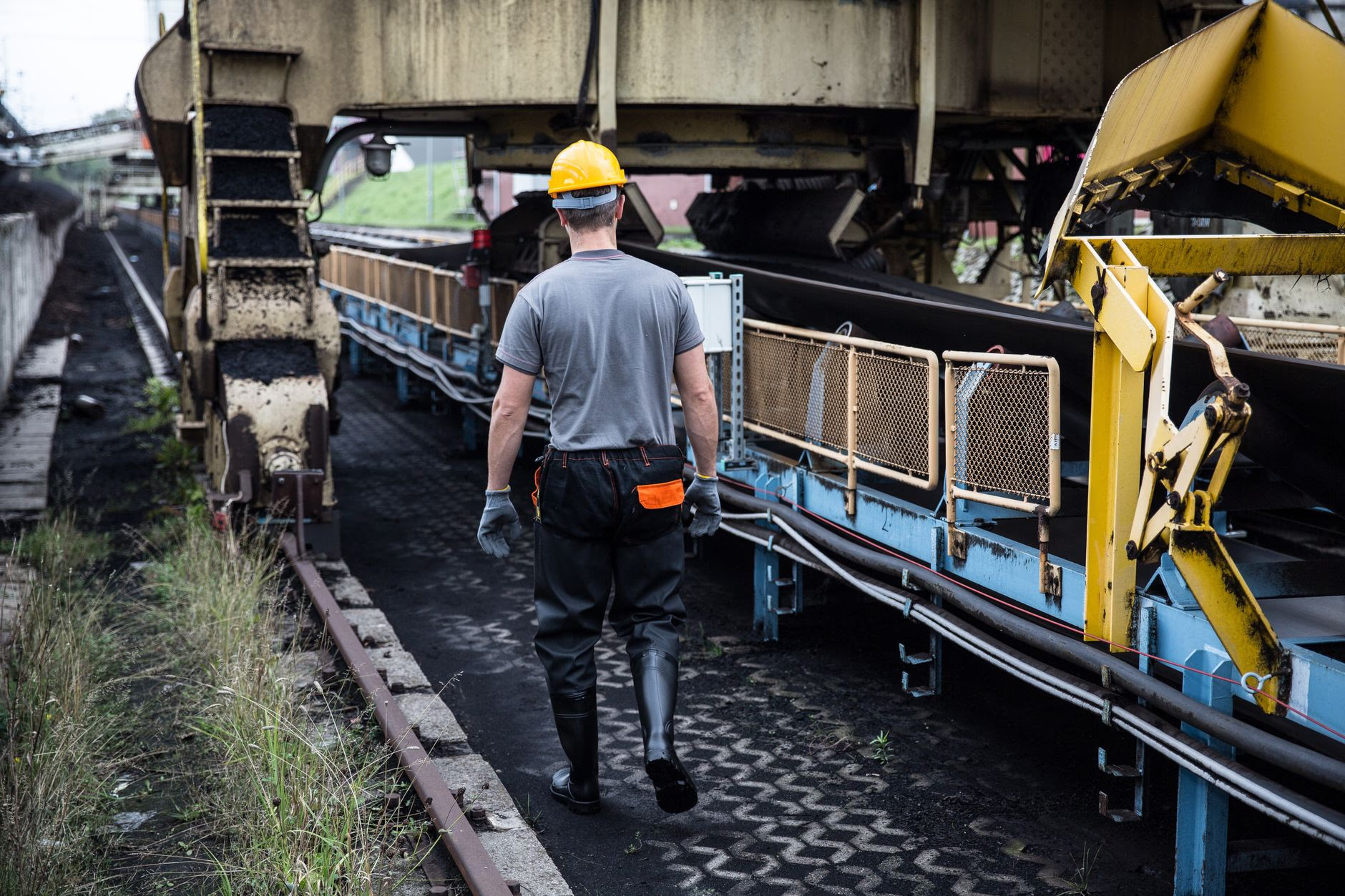
Impact-resistant polyurethane is an elastomer that absorbs energy from repeated impacts, dissipates it as heat and returns to shape without permanent deformation. This controlled elasticity protects industrial equipment, reduces vibration and extends the life of impact-exposed components.
One impact too many can crack, deform or stop an equipment component. In plants, mines and material-handling centres, these repeated shocks are expensive sources of downtime. Impact-resistant polyurethane is a proven way to withstand that punishment without failing.
This guide explains how the material works, how it compares with rubber and steel, and how to choose the formulation best suited to industrial wear components. The goal is simple: protect machinery and reduce maintenance costs.
Why polyurethane withstands repeated impact
Polyurethane owes its performance to a molecular structure that sits between rigid plastic and elastic rubber. Under impact, the material compresses, dissipates energy as heat and then returns to its original shape.
This rebound is exactly what equipment designers need in components exposed to compression cycles. Specialized damping components dissipate impact energy and recover their shape after each strike, protecting sensitive machine components.
Unlike rigid steel, which transmits vibration through the entire structure, polyurethane absorbs it. The result is less mechanical fatigue, less noise and better protection for bearings, frames and welds.
Energy absorption and fatigue resistance
Metals eventually crack under repeated stress, a process known as mechanical fatigue. Polyurethane flexes and rebounds through each load cycle. This behaviour gives it a decisive advantage for parts exposed to continuous vibration and impact.
Impact-resistant polyurethane compared with rubber and steel
Compared with rubber, polyurethane provides substantially greater abrasion resistance, better tear strength and stronger resistance to hydrocarbons. It also retains its shape more effectively after repeated compression.
Compared with steel, the advantage lies in service life and equipment protection. Where a metal part deforms or transmits shock, the elastomer absorbs it. Determining when to replace steel components requires assessing their impact exposure and the pace of production.

| Criterion | Polyurethane | Rubber | Steel |
|---|---|---|---|
| Impact absorption | Excellent | Good | Low |
| Abrasion resistance | Very high | Medium | Variable |
| Fatigue resistance | High | Medium | Prone to cracking |
| Vibration damping | High | High | Low |
| Weight | Light | Light | Heavy |
Choosing the right hardness for industrial wear components
Hardness, measured on the Shore scale, determines how a component behaves under impact. A sound choice is based on three factors: load magnitude, impact frequency and the environment, including temperature, moisture and oil exposure.
- Shore A 30 to 60: soft formulations that absorb vibration and light impact.
- Shore A 70 to 95: harder compounds that withstand heavy loads and abrasion.
- Shore D: rigid materials for wear plates and structural components.
For more detail, review our Shore hardness guide. Polyurethane bumpers designed to absorb impact clearly illustrate the trade-off between cushioning and strength.
Need components tailored precisely to your impact conditions? Confirm hardness and formulation with a specialized engineering team before placing the next order instead of relying on a generic component.
Industrial applications for high-strength polyurethane
High-strength polyurethane is used anywhere impact and abrasion threaten production. Its versatility protects large installations and small critical components alike.
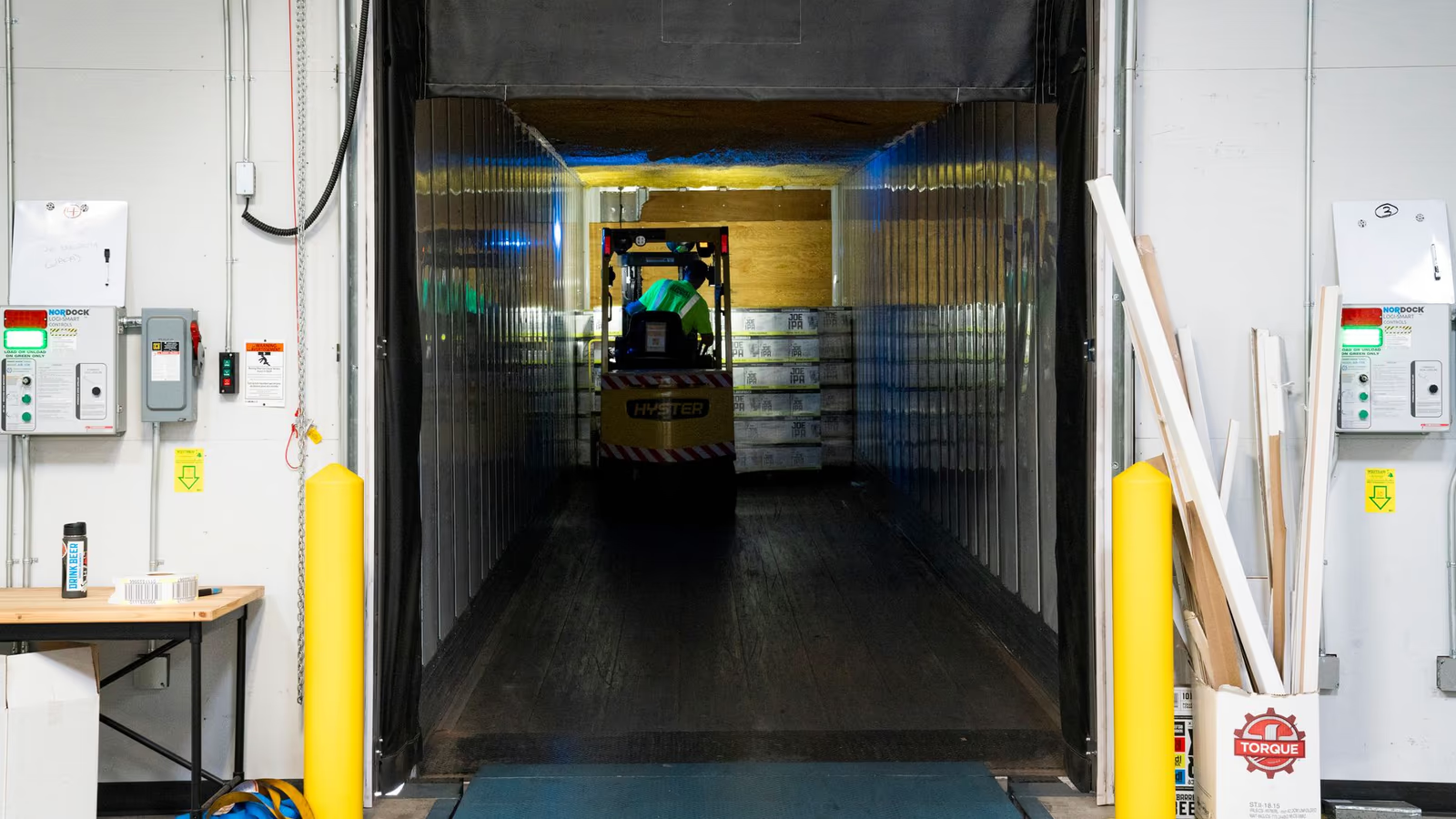
- Loading-dock bumpers and shock absorbers
- Conveyor rollers, wheels and pulleys
- Hopper, chute and truck-bed liners
- Crusher and screening seals and panels
- Wear plates for presses and material-handling stations
In mining, these components face constant stress and severe abrasion. Learn how mining wear parts withstand wear and how hopper and chute liners protect surfaces exposed to abrasive bulk material.
Extending equipment service life
Durable protection depends on matching the component to the application. The wrong hardness transmits too much energy or wears prematurely; a suitable formulation absorbs impact at the right location and protects the rest of the machine.
A sound maintenance plan combines three habits: inspect exposed parts regularly, replace components before failure and document impact frequency so hardness can be adjusted for the next service cycle. These simple practices reduce unplanned stoppages.
Carefully specified impact-resistant polyurethane turns a recurring expense into a durable investment. Polyurethane components last several times longer than comparable rubber parts in abrasive, heavily loaded environments.
Conclusion
Impact-resistant polyurethane offers an unusual balance of energy absorption, abrasion resistance and fatigue performance. Correctly selected and sized, it protects equipment from repeated shock while reducing vibration and downtime costs. Before replacing a worn part with an identical component, assess the load, impact frequency and environment. A carefully specified part developed with an engineering team provides the most reliable long-term protection.
FAQ
What is impact-resistant polyurethane?
Impact-resistant polyurethane is a cast elastomer formulated to absorb repeated shock without cracking or permanently deforming. Under impact, it compresses, dissipates energy as heat and returns to its original shape. This rebound, combined with excellent abrasion resistance, makes it a preferred material for industrial equipment exposed to frequent severe mechanical loads.
Is polyurethane more impact-resistant than rubber?
Polyurethane outperforms rubber in most high-impact applications. It offers greater abrasion and tear resistance, stronger resistance to hydrocarbons and better shape retention after repeated compression. Rubber remains useful for some soft, economical applications, but high-strength polyurethane generally lasts several times longer in abrasive, heavily loaded environments.
Which Shore hardness should I choose to absorb impact?
The choice depends on load, impact frequency and environment. Softer formulations from Shore A 30 to 60 absorb vibration and light impact more effectively. Harder compounds from Shore A 70 to 95 resist abrasion and heavy loads but transmit more energy. A specialized manufacturer adjusts hardness to the exact application.
Which equipment benefits from polyurethane wear components?
Many sectors benefit. In mining, processing and material handling, polyurethane bumpers, rollers, wheels, liners and seals protect machines from impact and abrasion. Loading docks, conveyors, presses and crushers are among the most common applications. These components reduce downtime, limit noise and extend equipment service life.